Cyber Toolkit Ltd, a UK Registered Company - 16938415
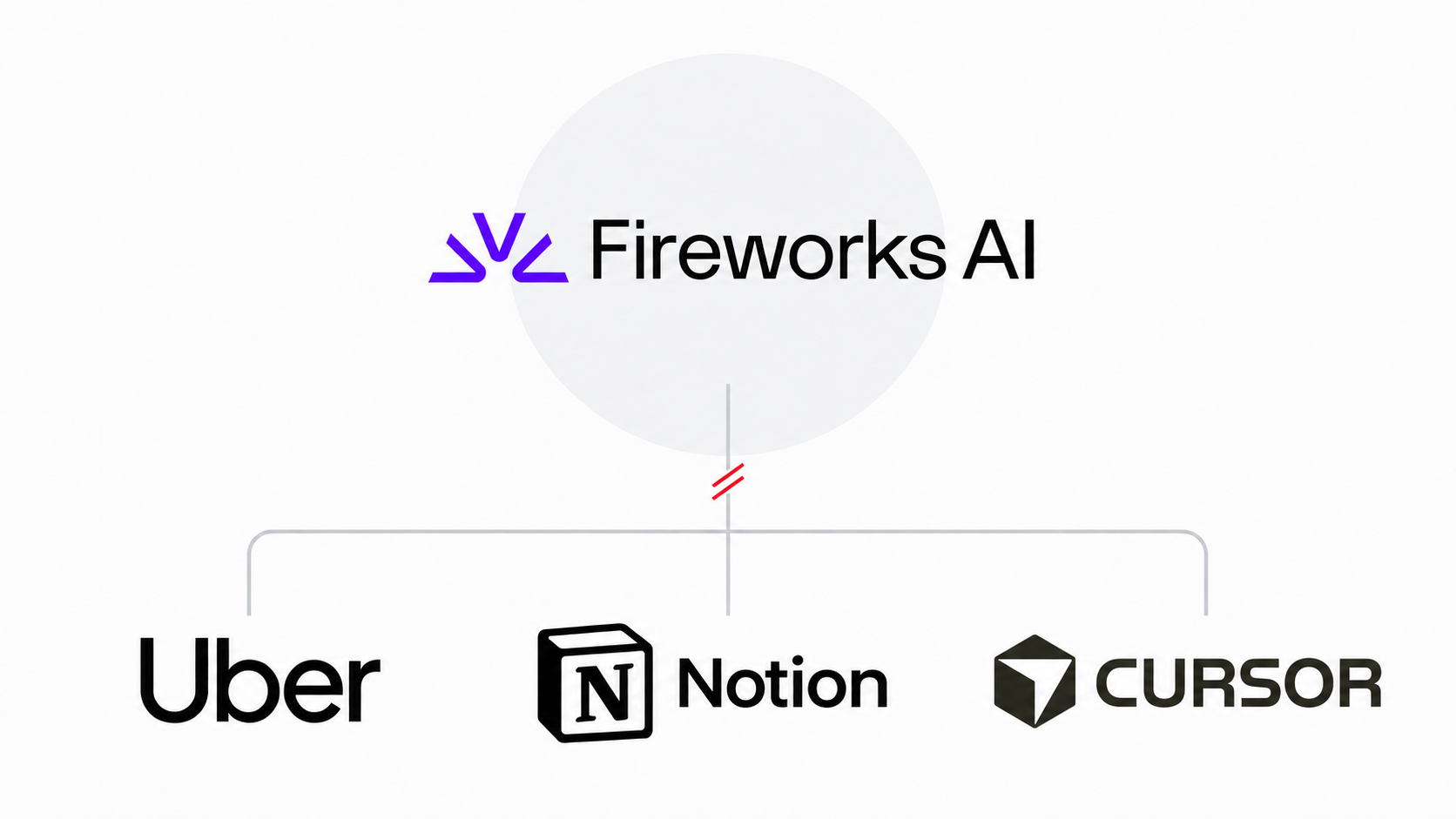
Nearly 150,000 Uber drivers are being notified that their personal information was exposed after attackers compromised Fireworks AI. The same provider has been linked to stolen Notion chat transcripts and a malicious software extension distributed through Cursor.
Three companies, three different consequences, with a shared AI supplier at the centre.
Uber’s disclosures put the number affected at 149,346 people. Attackers accessed driver’s licence images and information including names, addresses, dates of birth and licence numbers.
The detail that stands out is how they got in. According to Uber’s regulatory filing, attackers used compromised supplier credentials to access data on the 7th October. The information was held in a cloud storage environment Uber had created for the provider’s work.
Security alerts were switched on, however none of them triggered because the attackers used valid credentials and authorised data flows.
Fireworks notified Uber on 9th October, Uber then cut the connection and rotated or deleted associated credentials. It says the stolen credentials did not give attackers access to its other systems, and it is offering affected individuals credit monitoring and fraud assistance.
Fireworks first detected unauthorised use of internal credentials on 6th October. Its initial disclosure described access to stored secrets, including API keys and tokens, in a limited number of customer accounts.
A November update added account and billing information, plus datasets and incomplete model weights for some customers. Fireworks also disclosed another route into its systems: a breach with its cloud provider that allowed attackers to reach its development machines on the 24th October.
For Notion, the fallout involved AI conversations and the company confirmed that chat transcripts used for its Insights feature were exposed, affecting fewer than 1% of workspaces.
Most affected transcripts had no labels identifying their author or workspace. That offers limited reassurance if the conversation itself contains names, business information or credentials. Notion disconnected from Fireworks, disabled Insights during its investigation and notified affected customers.
At Cursor, the breach became a stepping stone to another attack. A key exposed through Fireworks allowed an attacker to copy historical coding-agent traces. Some contained un-redacted credentials, which opened access to selected internal services. The attacker then used a stolen credential to plant malicious copies of the Claude Code extension in the cache serving Cursor’s extension marketplace.
Up to 5,000 users potentially received the malicious build on the 29th October, according to Cursor. Anthropic did not publish those copies, and Cursor said the attack did not exploit a vulnerability in Anthropic’s product.
Cursor has since moved inference traffic away from Fireworks and revoked credentials. Users who installed the affected extension versions, 2.1.312 or 2.1.313, during the exposure window were warned that uninstalling alone might leave malicious components behind.
Fireworks is investigating with Palo Alto Networks Unit 42, and it has linked the activity to criminals seeking to profit from stolen access to AI models, known as LLMjacking.
The wider damage shows what else can be caught in that pursuit. Driver identity documents, workplace conversations and developer credentials all became exposed through relationships with the same supplier.
For businesses adopting AI, the question is concrete: what could an attacker reach with the access you have given your provider?
A breach at one supplier can quickly become your problem. Cyber Toolkit’s supply chain monitoring helps you stay alert to risks across your suppliers, giving you the information you need to act.
Sign up via our website and start monitoring your supply chain today.