Cyber Toolkit Ltd, a UK Registered Company - 16938415
This is the Cyber Toolkit weekly roundup of key cyber security news, covering the most relevant vulnerabilities, breaches and incidents affecting organisations in the UK and beyond over the past week (16th June - 23rd June 2026).
Fortinet featured heavily in this week's vulnerability news, with multiple warnings issued about flaws affecting its products. Researchers reported attackers exploiting three vulnerabilities in FortiSandbox appliances, while CISA urged organisations to prioritise patching affected Fortinet systems. Fortinet also disclosed a large-scale credential harvesting campaign targeting firewall and VPN devices. Taken together, these developments are a reminder that unpatched systems and compromised credentials continue to be among the most common routes attackers use to gain access to organisations.
Several other significant vulnerabilities were disclosed during the week. F5 released patches for critical flaws affecting NGINX and NGINX Plus deployments, while Apple addressed a security issue impacting Beats Studio Buds devices. Although these products serve very different purposes, both incidents highlight the growing range of technologies that require ongoing security management. Keeping software up to date is crucial for organisations that are increasingly reliant on a wide variety of connected devices and platforms.
The healthcare sector once again appeared in this week's headlines following a breach at cardiac monitoring company iRhythm. The organisation disclosed that attackers had accessed third-party hosted business applications and stolen patient information, including health data. While iRhythm stated that its medical devices and patient care systems were not affected, the incident demonstrates the risks associated with third-party suppliers and the sensitive information they often hold on behalf of healthcare providers.
Kodak confirmed a data breach following claims by the ShinyHunters extortion group, which alleges it obtained millions of records during the intrusion. While investigations are ongoing, the incident reflects a continuing trend in which attackers steal data and use the threat of publication as leverage against victims. For many organisations, the reputational and regulatory consequences of data exposure can be just as damaging as operational disruption.
Researchers also revealed that DragonForce ransomware operators had abused Microsoft Teams relay infrastructure to conceal command-and-control traffic during an intrusion. By routing communications through legitimate Microsoft services, the attackers were able to blend malicious activity with normal business traffic. The incident demonstrates how attackers are increasingly making use of trusted platforms and services to avoid detection.
Beyond individual incidents, INTERPOL warned of the continued growth of phishing campaigns, ransomware attacks and business email compromise activity across multiple regions. The warning reflects the ongoing challenge posed by financially motivated cybercrime, which remains one of the most common causes of serious security incidents affecting organisations of all sizes.
The real-world impact of cyber incidents was also highlighted by an attack affecting a major agricultural supplier in Australia. The disruption reportedly prevented farmers from accessing systems used to process orders and manage deliveries, leaving crops in fields during a critical period of the growing season. Agriculture is not always viewed as a prime cyber target, but the incident demonstrates how reliant many industries have become on digital systems and how quickly operational disruption can spread through supply chains when those systems become unavailable.
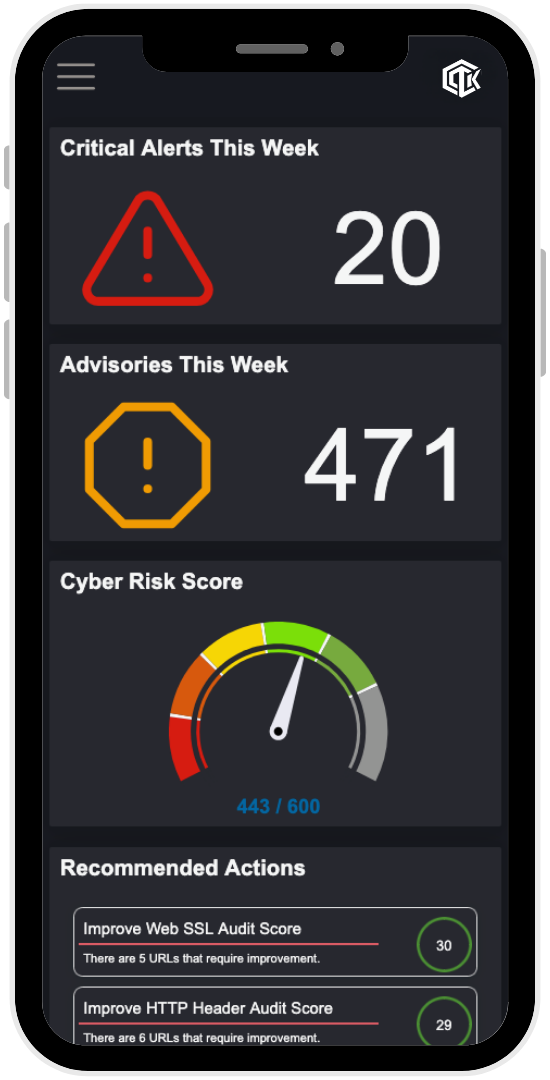
This week, Cyber Toolkit demonstrated its pivotal role by issuing 471 technical alerts, enabling organisations to stay ahead of emerging threats and respond promptly. Furthermore, our system identified 20 critical vulnerabilities across various systems. These figures highlight the importance of proactive measures and as cyber threats continue to evolve, it is crucial for organisations to stay vigilant and utilise effective and FREE tools like Cyber Toolkit to manage their cyber security risks.
We'll see what next week brings.